Wednesday, 30 August 2023

Mastering Group Discussion: Tips for Success


Group discussions serve as a platform to exchange thoughts, analyze different perspectives, and collectively arrive at solutions. Our expert-backed tips will not only prepare you to confidently express your viewpoints but also enable you to steer discussions toward meaningful conclusions.

1. Thorough Content Knowledge

Having a solid grasp of the topic at hand forms the foundation of effective participation. Ensure you've thoroughly researched the subject matter, making use of credible sources such as academic journals, articles, and books. This will enable you to contribute substantiated viewpoints and engage in informed debates.

2. Active Listening and Respectful Communication

Listening actively is as crucial as expressing your thoughts. Engage with fellow participants' ideas by maintaining eye contact, nodding in agreement, and responding thoughtfully. Respectful communication fosters a conducive environment for healthy debates.

3. Confidence and Body Language

Confidence is key during group discussions. Maintain an upright posture, use confident gestures, and speak audibly. Remember, your body language speaks as loudly as your words.

4. Clarity and Precision

When articulating your ideas, aim for clarity and precision. Use concise sentences and avoid unnecessary jargon. A well-structured argument is more likely to capture attention and leave a lasting impression.

5. Critical Thinking and Counterarguments

Employ critical thinking to analyze different aspects of the topic. Acknowledge potential counterarguments and be prepared to address them. Demonstrating an understanding of diverse viewpoints showcases your ability to think analytically.

6. Time Management

Group discussions often have time constraints. Practice delivering your thoughts within a specified timeframe to avoid being cut off. Effective time management portrays your organizational skills.

7. Initiative and Leadership

Seize opportunities to initiate the discussion or summarize key points. Taking the lead reflects your leadership potential and shows that you can guide the conversation constructively.

8. Engage Others and Build Consensus

A successful group discussion involves everyone. Encourage quieter participants to share their thoughts and seek common ground to build consensus. Inclusive discussions underline your teamwork and collaboration skills.

9. Stress Management

Group discussions can be nerve-wracking. Practice stress management techniques such as deep breathing and positive visualization to stay composed and focused.

10. Practice, Feedback, and Improvement

Like any skill, practice makes perfect. Engage in mock group discussions and seek feedback from peers or mentors. Constructive criticism paves the way for continuous improvement.

Conclusion

Mastering group discussions is a skill that transcends academia and extends to professional settings. By assimilating our expert advice and consistently honing your abilities, you'll not only excel in group discussions but also leave a lasting impact, contributing meaningfully to collaborative endeavors. At BIBS, we're committed to empowering individuals with the tools they need to succeed in every facet of life.


Sunday, 20 August 2023

Diverse Approaches to Leadership: A Guide to 10 Management Styles


One skill that every corporate expects its managers to possess is effective leadership. It plays a pivotal role in steering organizations toward success. 


Managers can make or break the daily operations of companies and hence lead to downward growth. Therefore, leaders with versatile and adaptable management styles are the need of the hour since they can tackle various situations, teams, and challenges. 


In this blog post, we'll explore ten types of management styles that can help you navigate the complexities of modern business management.


Different Leadership Styles in Management


1. Autocratic Leadership: This traditional style involves a leader making decisions unilaterally and enforcing directives with little input from team members. While it can be efficient in certain high stakes situations, it might stifle creativity and employee morale if overused.


2. Transformational Leadership: Transformational leaders inspire and motivate their teams through a shared vision and a commitment to personal growth. They encourage creativity, promote innovation, and empower employees to exceed their own expectations.


3. Servant Leadership: Servant leaders prioritize the needs of their team members above their own. They focus on supporting and developing employees, fostering a culture of collaboration and empathy within the organization.


4. Laissez-Faire Leadership: In this style, leaders take a hands-off approach, allowing team members to make decisions and manage their tasks independently. While it can promote autonomy and creativity, it requires a highly motivated and self-directed team.


5. Transactional Leadership: Transactional leaders emphasize clear expectations and reward systems. They offer rewards or consequences based on employees' performance, ensuring accountability and productivity.


6. Charismatic Leadership: Charismatic leaders wield their personal magnetism to inspire and influence their teams. Their enthusiasm and compelling communication skills can rally people behind a common goal.


7. Situational Leadership: Situational leaders tailor their approach based on the specific circumstances and the maturity level of their team members. This flexible style involves adapting to the needs of the moment to achieve optimal outcomes.


8. Collaborative Leadership: Collaborative leaders believe in collective decision-making. They involve team members in the decision-making process, leveraging diverse perspectives to arrive at knowledgeable solutions.


9. Adaptive Leadership: Adaptive leaders excel in navigating change and uncertainty. They encourage a culture of continuous learning and resilience, guiding their teams through challenging transitions.


10. Coaching Leadership: Leaders focus on developing their team members' skills and potential. They provide regular feedback, offer guidance, and create opportunities for growth and development.


Which is the Best Leadership Style in Management?


As a leader, the key to success lies in understanding these diverse management styles and knowing when to apply each one. While these leadership styles are not compulsory, effective leadership requires a combination of emotional intelligence, situational awareness, and a willingness to adapt to the needs of your team and the organisation.


At BIBS, we recognize the importance of developing proficient leaders who can harness the power of different leadership styles in organisations. The MBA in business management is designed to equip aspiring leaders with the skills, knowledge, and insights they need to excel in today's complex business environment. This program also covers Advanced Training for Personal Development covering communication & soft skills, behaviour, presentation as well as interview skills. So, whether you're a seasoned executive or a rising star, BIBS is here to guide you on your leadership journey.


Thursday, 27 July 2023

Comparing MBA and Masters Degrees: Making the Right Choice in 2023


MBA or MS, which is better?

Here we roll back to the OG question again! 

Let's make this decision today. 

In 2023, aspiring to pursue a postgraduate degree is kinda tricky. A lot of factors influence our decisions. The options available are diverse, with a wide range of fields and programs to pursue. Most often, individuals are stuck between a Master of Business Administration (MBA) or various Master's degrees.

While both avenues offer valuable opportunities, understanding their key differences is essential to make an informed decision. In this blog, we will compare MBA and Master's degrees, exploring their unique features, benefits, and career prospects to help you choose your future aspirations.

Difference between MBA and Masters 

1. MBA - A Comprehensive Business Journey:

The Master of Business Administration (MBA) is a prestigious and sought-after degree that equips students with a comprehensive understanding of various aspects of business management. The curriculum covers multiple subjects: finance, marketing, operations, human resources, and strategy. MBA programs typically focus on developing leadership skills, fostering a global business perspective, and promoting critical thinking. Students often engage in real-world case studies and internships to gain practical experience.

Benefits of an MBA:

  1. Networking Opportunities: MBA programs attract a diverse cohort of students with varied professional backgrounds, creating an excellent networking environment that can benefit your career.

  2. Strong Leadership Skills: The emphasis on leadership development in MBA programs prepares graduates to confidently take managerial roles.

  3. Versatility: With a broad curriculum, an MBA graduate can explore career opportunities in various industries and roles.

  4. Entrepreneurial Pursuits: For aspiring entrepreneurs, an MBA provides a strong foundation in business planning, strategy, and resource management.

2. Master's Degrees - Specialized Expertise:

Master's degrees, on the other hand, offer specialized knowledge in a particular field. These programs dive deep into specific subjects, providing in-depth understanding and expertise. For example, Master's degrees in finance, marketing, data science, or human resources focus solely on those respective domains. The coursework is tailored to hone the technical skills and advanced knowledge required for specialized roles.


Benefits of a Master's Degree:

  1. Specialization: Master's degrees allow students to focus on their passion and acquire in-depth expertise in their chosen field.

  2. Career Advancement: Graduates of Master's programs often have an edge in their specific industries, leading to greater career opportunities and higher earning potential.

  3. Industry Demand: As industries become increasingly specialized, the demand for experts in specific fields continues to grow.

  4. Research and Innovation: Master's programs often involve research projects, contributing to industry advancements and innovation.

MBA vs Masters: Which One to Choose?

Deciding between an MBA and a Master's degree depends on your career goals, interests, and current skill set. If you aspire to become a well-rounded business leader and are open to exploring different avenues within the business world, an MBA could be the ideal choice. On the other hand, if you have a clear passion for a specific domain and want to excel in a particular field, a Master's degree might be more suitable.

Conclusion

In the corporate world, your post-graduate degree choice can make you stand out. Hence, making the right choice between an MBA and a Master's degree is crucial for your long-term success. Lastly, while making the decision, consider factors such as your goals, interests, and strengths that can shape your future career and personal growth.

Whether you opt for the versatility of an MBA or the specialization of a Master's degree, Bengal Institute of Business School is committed to providing the education and resources you need to thrive in your chosen field. BIBS offers a range of MBA programs in various specializations. So whether you are from a STEM background or not, they have programs for everyone. What sets them apart is their curriculum, which prioritizes hands-on learning over classroom teaching. This holistic experience prepares the students for the C-suite positions as soon as they graduate. They are the best MBA college in Kolkata.

Wednesday, 21 June 2023

Enhance your Personality with an MBA. Explore 6 ways it molds and shapes you for success.


Remember your first-ever public speech in class? Were your hands not all sweaty? Wondering how to improve my personality? You are not alone. There are a lot of students who want to develop soft skills that will help them excel in their careers. We all understand the benefits of personality development for students.


The answer to all your questions is an MBA. An MBA program assures you of bringing that confidence to open your arms to the world with an avalanche of public speaking opportunities, group discussions, and networking opportunities.


In this blog, let's understand how MBA helps build a personality and gain top skills for MBA graduates. 


6 Ways How an MBA helps you enhance your Personality

Get Out of your Comfort Zone

MBA programs challenge you to step out of your comfort zone and tackle complex business problems. By successfully navigating these challenges, you build confidence in your abilities. Presenting your ideas, participating in class discussions, and engaging in networking events can also help boost your self-assurance. Increased confidence positively impacts your personality by projecting a sense of self-assuredness and assertiveness.

Self Awareness

MBA programs often incorporate personal development components that encourage self-reflection and self-awareness. Through leadership assessments, coaching sessions, and personal reflections, you gain insights into your strengths, weaknesses, values, and aspirations. This self-awareness allows you to understand yourself better and make conscious decisions about your personal and professional growth.

Communication and Interpersonal Skills

Effective communication and interpersonal skills are essential for success in any field. MBA programs often include coursework and practical exercises focused on improving these skills. Through presentations, case discussions, team projects, and networking opportunities, you can refine your communication style, active listening, and conflict-resolution abilities. Strong communication and interpersonal skills contribute to building your personality by enabling you to connect with others, build relationships, and influence people positively.

Code of Conduct

Knowing what to do and say in any situation is critical to developing a successful career. With an MBA program, you can improve your personal, social, and professional etiquette and ethics, which are crucial in the corporate world. By collaborating with people from all backgrounds, you'll gain knowledge of many cultures and learn about morality and values, which are essential while making moral decisions at work. You can use your professional etiquette in campus events, including career fairs, interviews, alumni visits, and company site visits.

Emotional Intelligence

MBA programs increasingly emphasize the development of emotional intelligence (EQ). EQ refers to recognizing and managing your emotions and effectively understanding and empathizing with others. By studying organizational behavior, leadership and working in diverse teams, you can enhance your EQ. Developing emotional intelligence enhances your personality by fostering empathy, adaptability, and effective interpersonal relationships.

Global Perspective

As businesses operate in an increasingly interconnected world, MBA programs often incorporate a global perspective. Participating in exchange programs or engaging with diverse classmates exposes you to different cultures, views, and business methods. This global perspective enhances your personality by fostering open-mindedness, cultural sensitivity, and the ability to navigate and thrive in diverse environments.


Contemplating if you want to do an MBA? 


Transitioning from a nervous introvert to a confident leader is demanding but rewarding. You'll become more confident in yourself and able to handle any obstacle that comes your way with each new opportunity.


Pursuing an MBA program will provide you with the platform and resources to build your personality, but it ultimately depends on your active engagement, self-reflection, and application of the knowledge, experiences, and skills the MBA teaches you. Finally, how mba helps in personal growth will matter on your willingness to learn, adapt, and grow to build your personality.


If you want to pursue your MBA from the top MBA colleges in Kolkata, BIBS should be your first choice. Awarded the Best Education Brand by Economic Times, BIBS offers a dynamic range of MBA programs that helps students gain top trending skills relevant for the future. With holistic classroom sessions, the MBA program curriculum is designed for students to build practical knowledge through industry training. Not to forget, you can also explore international internship opportunities and expand your horizon. Thus, by assisting graduates in profile building and interview training, BIBS provides a 100% placement guarantee. Isn't that the best part?


Visit our website now and explore the diverse programs to prepare yourself for the future with BIBS. 

Friday, 9 June 2023

Mastering Corporate Branding: Unveiling the Concept and Strategies for Success


Every person is differentiated based on their personality and identity. The same goes for companies. Their brand defines their existence and recognition by the audience. In this blog, we will dive into the essence of corporate branding and the strategies that can help you make a strong brand. 


What is Corporate Branding?


Corporate branding is a comprehensive approach to shaping and managing a company's reputation, identity, and perception. It helps create a strong and enduring brand that connects with stakeholders emotionally and supports the company's strategic objectives.


Key Strategies for Successful Corporate Branding


Here are some key strategies to consider when mastering corporate branding:

  • Brand Identity

Establish your brand's identity by describing the values that set your business apart from the competition. This includes your brand's mission, vision, and core values. Gain a thorough understanding of what your brand stands for and what it represents.

  • Brand Consistency

Every company wants the masses to recognize its brand. That is where

Consistency comes into the picture. Ensure all brand elements, such as logo, colours, typography, and messaging, are consistent across all platforms and touchpoints. Your branding should reinforce your brand identity in the minds of your audience.

  • Brand Positioning

How you want your brand to be perceived by your customers will influence your brand positioning decision. Hence, identify your target audience and research their needs, preferences, and pain points. Based on this understanding, position your brand as the solution to their problems or the provider of unique value. Craft a compelling brand positioning statement that communicates your unique selling proposition.

  • Brand Messaging

Your brand should voice a clear and consistent message wherever it is present. Define key statements that reflect your brand's values, benefits, and promises. Ensure these messages resonate with your target audience and are communicated consistently across all channels, including your website, social media, advertising, and public relations efforts.

  • Employee Engagement

Do not underestimate the power of your front-line warriors. Your employees can shape your corporate brand. Engage them in the brand development process and ensure they understand and embody your brand values. Train and empower them to be brand ambassadors, consistently delivering on your brand promise and reinforcing your brand image.

  • Brand Experience

Well, at the end of the day, it all boils down to the experience you provide to your stakeholders when they interact with you. Pay attention to every touchpoint, from your website and social media channels to customer service and packaging, and strive to create a positive and consistent brand experience at every step of the customer journey. It helps build trust, loyalty, and advocacy.

  • Thought Leadership

Make the company leadership the face of the brand. Share valuable insights, expertise, and knowledge through content marketing, industry events, public speaking engagements, and media relations. Thought leadership enhances your brand's reputation and positions your company as a trusted authority.

  • Brand Monitoring

After you have done the above and established your brand, evaluating how it is perceived in the market is essential. Utilize tools like social listening, customer surveys, and online reputation management to gather feedback and make necessary adjustments. Keep a pulse on industry trends and consumer sentiments to stay relevant and adapt your branding strategy as needed.

  • Brand Evolution

As your company grows and evolves, periodically review and refine your branding strategy. Stay attuned to changes in the market, customer preferences, and competitive landscape. Adapt your brand positioning, messaging, and visual identity to remain relevant and maintain a strong connection with your audience.


Conclusion

Corporate identity is the face of a business that makes it stand apart among the crowd. Building a brand from scratch requires focus and dedication. In this competitive business environment, creating corporate identities has become non-negotiable. We hope this blog provides a step-by-step process for building a strong corporate identity. 


 A role in Corporate branding offers a mix of creativity, strategy, and impact. If you have a passion for branding, a keen eye for design and messaging, and enjoy working in a dynamic and strategic environment, a career in corporate branding can be a fulfilling choice.


If this resonates with you, an MBA in business management in Kolkata with BIBS will definitely help you facilitate your professional growth. Students in this program receive additional Data Analytics, Digital Marketing and MS Office certifications, along with Comprehensive FMCG Training from Industry experts to build core practical skill sets relevant to the industry. 


To shape your future in the corporate business world, join the program now!


Tuesday, 30 May 2023

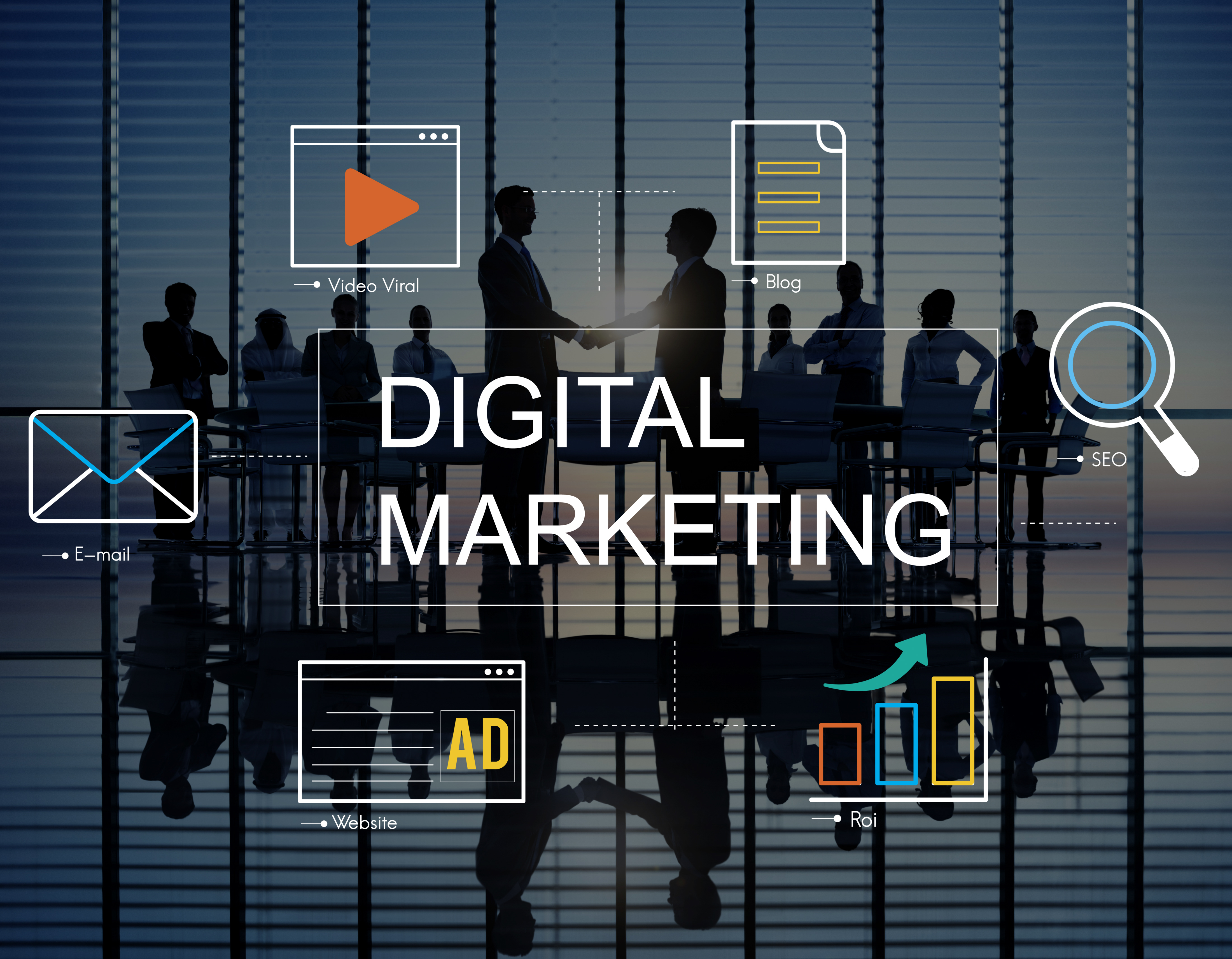
Digital Marketing MBA: Stay Ahead of the Game


In today's digital era, mastering the art of marketing online is crucial for businesses to thrive. As technology continues to evolve, so does the demand for skilled professionals who can navigate the digital landscape with finesse. If you're looking to gain a competitive edge and unlock a world of exciting career prospects, pursuing an MBA in Digital Marketing is your gateway to success.

The Power of an Online MBA in Digital Marketing:

In a fast-paced world where traditional marketing strategies are gradually being overshadowed, digital marketing has emerged as a game-changer. An online MBA in Digital Marketing equips you with the knowledge and skills needed to harness the power of digital platforms and effectively reach target audiences. Through a comprehensive curriculum, you'll gain insights into the latest trends, strategies, and tools that drive success in the digital realm.

Exploring the MBA Digital Marketing Course:

The MBA in Digital Marketing curriculum offers a well-rounded education, covering various facets of the field. From understanding consumer behavior and market research to search engine optimization (SEO) and social media marketing, each module is designed to provide a holistic understanding of digital marketing. By delving into topics such as content marketing, email marketing, and data analytics, you'll be prepared to tackle the challenges of the ever-evolving digital landscape.

Unveiling the Syllabus for MBA in Digital Marketing:

The syllabus for an MBA in Digital Marketing encompasses a wide range of subjects to ensure a comprehensive learning experience. Key modules typically include digital marketing strategy, online advertising, web analytics, mobile marketing, and e-commerce. Additionally, courses may explore topics like digital branding, video marketing, and influencer marketing. By following a structured syllabus, you'll develop a solid foundation in digital marketing principles.

An abundance of Job Opportunities:

With an online MBA in Digital Marketing under your belt, a world of exciting career opportunities awaits. Digital marketing professionals are in high demand across industries, as businesses seek to establish a strong online presence and connect with their target audiences. Roles such as digital marketing manager, SEO specialist, social media strategist, and e-commerce manager are just a few examples of the diverse job prospects that await digital marketing MBA graduates.

Lucrative Salary Potential:

One of the significant perks of pursuing an MBA in Digital Marketing is the potential for a rewarding salary. As the demand for skilled professionals in this field continues to rise, so does the value placed on their expertise. Depending on factors such as experience, location, and industry, digital marketing MBA graduates can earn competitive salaries that reflect their skills and contributions.


In the dynamic world of digital marketing, staying ahead of the game is crucial for success. Pursuing an online MBA in Digital Marketing equips you with the knowledge, skills, and credentials needed to thrive in this ever-evolving industry. From a comprehensive curriculum to abundant job opportunities and attractive salary potential, this program opens doors to a promising future. Embrace the digital revolution, and embark on a journey that will shape your career in ways you never imagined.

Monday, 6 February 2023

The Future of Supply Chain Management: Predictions and Trends

Despite the fact that the last two years have been a rollercoaster ride for businesses in many ways due to the pandemic, they have evolved and progressed. The remote work trend isn't going away, and supply chains need to be strengthened more than ever. Even while restrictions have been reduced, authorities are aware that there will still be supply chain disruptions in the future.

Much like living creatures, supply chains must develop to exist. The supply chain software industry is changed by new technologies like robotic process automation (RPA), cloud computing, and artificial intelligence (AI), which replace weak links. 

And in this rapidly changing business scenario, to make change industry specialists and business aspirants need to be adept with the latest technology and procedures. MBA in Supply Chain Management is one of the best specialization options for MBA students that train them about the logistics and back-end processes of a company unit.

Industries across the world are working to increase efficiency, reduce risk, and streamline execution as they look for methods to establish a genuine competitive advantage. To achieve these objectives data-driven networks, utilizing the most recent digital transformation capabilities, putting risk management and resilience first, streamlining logistics, and many other things will be necessary.  By anticipating these and other important changes, supply chains may actively create a thriving, sustainable future.

Let’s have a look at the rising trends in the supply chain management sector that are to come in the near future. 

1. Rising Costs 

The global economy is being affected by inflationary trends, which also have an immediate impact on supply chains and delivery services. An excellent example of a direct supply chain disruption is the increase in fuel prices. Another is the lack of workers, which has increased labor costs while decreasing productivity.

Retailers are experiencing the consequences of this mix of reduced consumer spending, inflation, and rising delivery costs. Given that the last mile accounts for 53% of all shipping expenses, retailers looking to improve efficiency and reduce costs should concentrate on their last-mile delivery operations.

2. Diverse delivery partners 

Despite the state of the economy and issues with the supply chain, eCommerce is expanding at a remarkable rate. There is a persistent shortage of delivery carriers due to the rising volume of shipments. Retailers must therefore vary their carriers to guarantee that their goods are delivered on time, no matter their geographic locations. Working with numerous carriers and having a backup plan in place is essential given the present shortage of trained drivers.

Businesses should concentrate on managing both the fleets as a whole and the drivers individually when optimizing delivery management.

Utilizing numerous fleets gives businesses more control over the delivery process, offers a fallback option for peak or spillover periods and seasons, and forges supply chain partners that can rely on one another for support. 

3. Difficulty in retaining consumers  

Many merchants find themselves driven by keeping expenses under control rather than trying to please customers at all costs now that growth has slowed and margins are thin.

Retailers today need to think carefully about how to deliver the greatest service while boosting operational efficiency. As a result, cost optimization has overtaken concerns of the customer experience and customer service when choosing delivery management platforms.

In order to meet their consumers' rising expectations, businesses must now provide a variety of delivery choices, such as next-day or even same-day delivery, in-store pickup, remote and curb-side collection, and free parcel shipping.

MBA in Supply Chain Management- roadway to a successful career 

An MBA in Supply Chain Management adepts you with the fundamentals of supply chain management and gives you a solid foundation in business principles. The top supply chain MBA programs will show you how to evaluate a supply chain's effectiveness and efficiency, assess the impact of various operations on the chain as a whole and interpret relationships and competitive advantages using a systems perspective. You will learn how to evaluate the effectiveness and efficiency of supply networks from them as well.

So if you’re looking to have a thriving career in supply chain management, BIBS has the best course in SCM. It is one of the highest-ranked b-schools in Kolkata with a team of the best industry professionals. 

For Audio: Click Here

Other Blogs:
6. weebly.com

Why Communication Skills Matter More Than Ever in Executive Management

In today's fast-paced business world, communication skills are a powerful asset for executives aiming to lead effectively. Especially fo...